
$7.00
Add to Cart
Asynchronous Transfer Mode
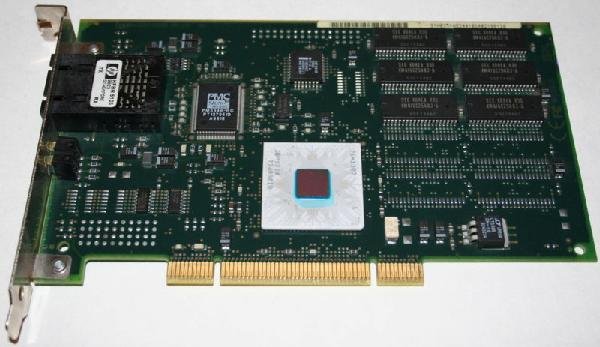
More than 10 available
Details
Shipping: US-Mainland: free (more destinations)
Condition: Brand new
*The store has not been updated recently. You may want to contact the merchant to confirm the availability of the product.
Curriculum Design and Instruction To Teach
The Fundamentals Of Telecommunications:
Asynchronous Transfer Mode:
Author: Charles Hayes:
Telecommunication is the transmission
of signals over a distance for the purpose
of communication. In modern times, this
process typically involves the sending of
electromagnetic waves by electronic
transmitters but, in earlier years, it may
have involved the use of smoke signals,
drums or semaphore. Today, telecommunication
is widespread and devices that assist the
process, such as the television, radio and
telephone, are common in many parts of the
world. There are also many networks that
connect these devices, including computer
networks, public telephone networks, radio
networks and television networks. Computer
communication across the Internet is one of
many examples of telecommunication.
Telecommunication systems are generally
designed by telecommunication engineers.
Telecommunication is an important part of
the world economy; the telecommunication
industry's revenue has been placed at just
under 3% of the gross world product.
Special Features Include:
Phases For Conducting a Needs Assessment:
Curriculum Design Supplement:
|a|. Subject-Questions-Answers:
Curriculum Design Plan:
Curriculum Design Goals:
Curriculum Design Objectives:
Instructional Goals:
Instructional Objectives:
Instructional Activities:
Instructional Evaluation Techniques:
Lesson Plans:
Standard Vocabulary:
Key Words/Phrases:
Learning Objectives:
A Limited Glimpse:
Topics Include:
* Introduction:
@. Asynchronous Transder Mode:
A. Evolving Toward ATM:
B. Introduction to ATM:
C. User-Network Interface and Architecture:
D. ATM Cell: Key to Operation:
1. ATM Cell Structure:
2. Idle Cells:
E. Cell Delineation and Scrambling:
F. ATM Layering and B-ISDN:
1. Physical Layer:
2. ATM Layer:
3. ATM Adaptation Layer:
G. Services: Connection-Oriented and
Connectionless:
1. Functional Architecture:
H. B-ISDN/ATM Routing and Switching:
1. Virtual Channel Level:
2. Virtual Path Level:
I. Signaling Requirements:
1. Setup and Release of VCCs:
2. Signaling Virtual Channels:
J. Quality of Service:
1. ATM Quality of Service Review:
2. Selected QoS Parameter Descriptions:
K. Traffic Control and Congestion Control:
L. Transporting ATM Cells:
1. In the DS3 Frame:
2. DSI Mapping:
3. E1 Mapping:
4. Mapping ATM Cells into SDH:
5. Mapping ATM CElls into SONET:
* STATE OF THE ART CURRICULUM DESIGN:
* NEW:
* ILLUSTRATIONS:
* DIAGRAMS:
* BIBLIOGRAPHICAL REFERENCES & INDEX:
* PAPERBACK:
* TRANSPARENT FRONT PAGE:
* BLACK-WHITE-RED OR BLUE BACK PAGE COVER:
* BINDED WIRE-0: BLACK-WHITE-RED OR BLUE:
* 75 WHITE PAGES: 8x11"
* ALLOW 10 TO 14 DAYS TO RECEIVE ITEM:
The Fundamentals Of Telecommunications:
Asynchronous Transfer Mode:
Author: Charles Hayes:
Telecommunication is the transmission
of signals over a distance for the purpose
of communication. In modern times, this
process typically involves the sending of
electromagnetic waves by electronic
transmitters but, in earlier years, it may
have involved the use of smoke signals,
drums or semaphore. Today, telecommunication
is widespread and devices that assist the
process, such as the television, radio and
telephone, are common in many parts of the
world. There are also many networks that
connect these devices, including computer
networks, public telephone networks, radio
networks and television networks. Computer
communication across the Internet is one of
many examples of telecommunication.
Telecommunication systems are generally
designed by telecommunication engineers.
Telecommunication is an important part of
the world economy; the telecommunication
industry's revenue has been placed at just
under 3% of the gross world product.
Special Features Include:
Phases For Conducting a Needs Assessment:
Curriculum Design Supplement:
|a|. Subject-Questions-Answers:
Curriculum Design Plan:
Curriculum Design Goals:
Curriculum Design Objectives:
Instructional Goals:
Instructional Objectives:
Instructional Activities:
Instructional Evaluation Techniques:
Lesson Plans:
Standard Vocabulary:
Key Words/Phrases:
Learning Objectives:
A Limited Glimpse:
Topics Include:
* Introduction:
@. Asynchronous Transder Mode:
A. Evolving Toward ATM:
B. Introduction to ATM:
C. User-Network Interface and Architecture:
D. ATM Cell: Key to Operation:
1. ATM Cell Structure:
2. Idle Cells:
E. Cell Delineation and Scrambling:
F. ATM Layering and B-ISDN:
1. Physical Layer:
2. ATM Layer:
3. ATM Adaptation Layer:
G. Services: Connection-Oriented and
Connectionless:
1. Functional Architecture:
H. B-ISDN/ATM Routing and Switching:
1. Virtual Channel Level:
2. Virtual Path Level:
I. Signaling Requirements:
1. Setup and Release of VCCs:
2. Signaling Virtual Channels:
J. Quality of Service:
1. ATM Quality of Service Review:
2. Selected QoS Parameter Descriptions:
K. Traffic Control and Congestion Control:
L. Transporting ATM Cells:
1. In the DS3 Frame:
2. DSI Mapping:
3. E1 Mapping:
4. Mapping ATM Cells into SDH:
5. Mapping ATM CElls into SONET:
* STATE OF THE ART CURRICULUM DESIGN:
* NEW:
* ILLUSTRATIONS:
* DIAGRAMS:
* BIBLIOGRAPHICAL REFERENCES & INDEX:
* PAPERBACK:
* TRANSPARENT FRONT PAGE:
* BLACK-WHITE-RED OR BLUE BACK PAGE COVER:
* BINDED WIRE-0: BLACK-WHITE-RED OR BLUE:
* 75 WHITE PAGES: 8x11"
* ALLOW 10 TO 14 DAYS TO RECEIVE ITEM:
Other Products from doctor (View All)
-
$125.00

-
$14.00

-
$8.00

-
$14.00

-
$14.00

-
$14.00

-
$14.00

-
$14.00

-
$14.00

-
$14.00