
$11.99
Add to Cart
Zigzag Acacial Tree Seed (Wattle) 25 Count
More than 10 available
Details
Shipping: USPS calculated - check
Condition: Brand new
*The store has not been updated recently. You may want to contact the merchant to confirm the availability of the product.
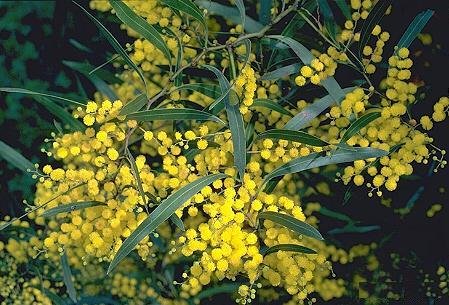
Zig-Zag Wattle Acacia macradenia Zigzag Acacia, Zigzag Wattle, Blackdown Tableland Wattle Description: Zig-zag wattle is a very showy species which flowers in profusion if conditions are right. It seems to require a cold period (or perhaps an extended cold period) to encourage flowering in warmer coastal regions. Medium sized tree with pendulous jointed zigzagging branches. Large clusters of yellow flower balls. Acacia macradenia is a nitrogen fixer, it has the ability to process atmospheric nitrogen into plant available nitrogen. Origin: Queensland, Australia. Cultural Requirements: Needs plenty of space to grow. Not good in small yards. Little pruning required and if so only light pruning desired. Fertilize with slow release organics and can grow in any soil type if well drained. Moisture: Good moisture required when establishing, not mandatory after. A select choice for Xeriscaping. Hardiness: Very drought resistant and Heavy frost tolerant Usage: Great for a large garden planting or revegetation, roadside planting or parkland planting. Features: Flower display, fast growing and Zig-Zag pattern of stems. USDA Zones: 5a-11. Light: Dappled shade, part or full sun. Locations: From semi-wet, but well drained sites to dry rocky sites. Care Level: For low maintenance, cold area gardens. Propagation: Propagation is usually carried out from seed. Soil Type: Moist well drained or dry soils. Wildlife Benefits: Attracts seed-eating birds. Discussion: A.macradenia is a spreading shrub or small tree 3-5m x 3-4m with pendulous zig zagging angular branches. The foliage consists of smooth, curved green phyllodes with prominent margins and a midvein and sharp, persistent stipules at the base. Phyllodes are 13-25cm x 1.0-2.5cm with a large, elongated gland near the base and often one or two smaller glands along the top margin. New growth is often reddish. The large, bright yellow ball flowers occur in winter and spring and are followed by clusters of dark brown, smooth pods, raised over the seeds alternately and narrowed between the seeds. Propagation Notes: Seed should be scarified, pre-soaked for 12 hours in warm water and then sown in a warm greenhouse in March. The seed germinates in 3 - 4 weeks at 25


