
$4.99
Add to Cart
Ficus Carica aka Fig Tree 30 Seeds
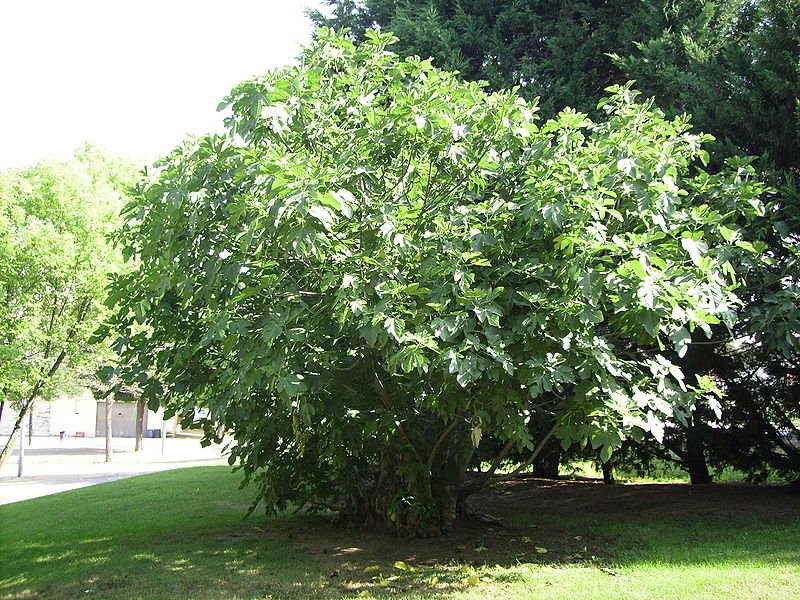


Ficus Carica aka Fig Tree 30 Seeds. Free Shipping!
Ficus carica, often referred to as the common fig, is a deciduous tree or a large shrub belonging to the Moraceae family. It originates from the Mediterranean area and certain parts of Asia. This plant can reach heights of 7–10 meters (23–33 feet) and is well-known for its beautiful leaves and tasty fruit.
Characteristics
Physical Description
Height: 7–10 m (23–33 ft)
Bark: Smooth white, occasionally twisted as it ages
Leaves: Large, palmate, featuring 3-5 lobes, measuring 12–25 cm (4.5–10 in) long
Fruit: Teardrop-shaped, 3–5 cm (1–2 in) long, starting green and ripening to purple or brown
Growth Conditions
Soil: Prefers well-drained, nutrient-rich soil; can tolerate poorer soil
Light: Grows best in full sun to partial shade
Climate: Thrives in warm, dry summers and cool winters; some varieties can handle colder climates
Cultivation and Care
Planting Tips
Spacing: Ensure enough space for spreading
Watering: Keep the soil moist, particularly during dry periods
Pruning: Light pruning in winter helps maintain its shape
Common Issues
Pests: Keep an eye out for aphids, spider mites, and scale
Diseases: Leaf spots, rust, and blight can occur
Edibility and Uses
Ficus carica yields sweet, edible fruits that can be enjoyed fresh or incorporated into various recipes. The fruits develop without the need for pollination, making them simpler to grow.
To grow Ficus Carica (fig tree) seeds, start by soaking them in hydrogen peroxide for 2-5 minutes to aid germination. Next, plant them in a potting mix that drains well, covering them lightly, and keep the soil moist until they sprout, which can take anywhere from 1 to 4 weeks.
Overview of Planting Fig Tree Seeds
Ficus carica, or the fig tree, can be cultivated from seeds, but it does need some patience and specific methods for successful germination.
Steps to Plant Fig Seeds
1. Seed Preparation
Extract Seeds: Use overripe figs to get the seeds out. Scrape them from the inner walls of the fig.
Clean Seeds: Combine the seeds with lukewarm water in a cup. Stir to separate the seeds from the pulp, then pour out the water, repeating this 3-4 times until the seeds are clean.
Soak Seeds: Let the cleaned seeds sit in water for 24 hours.
2. Germination Process
Choose a Medium: Wet perlite works great as the germination medium. It offers good drainage and aeration.
Plant Seeds: Spread the seeds on top of the wet perlite, covering them very lightly.
Humidity Dome: Place a humidity dome over the container to keep moisture in.
3. Care for Seedlings
Monitor Moisture: Water just once, since the perlite holds moisture well.
Light Conditions: Put the container in a warm, bright spot but keep it out of direct sunlight.
Transplanting: After 5-7 days, when you see seedlings, carefully move them into a seed tray filled with a sterile seed-starting mix.
Additional Tips
Germination Time: Seeds can take 1-4 weeks to germinate, depending on the conditions.
Viability: Not every seed will grow into a tree that produces fruit like the parent, as fig trees can vary quite a bit.
By following these steps, you can successfully grow your own fig tree from seeds.
Ficus carica, often referred to as the common fig, is a deciduous tree or a large shrub belonging to the Moraceae family. It originates from the Mediterranean area and certain parts of Asia. This plant can reach heights of 7–10 meters (23–33 feet) and is well-known for its beautiful leaves and tasty fruit.
Characteristics
Physical Description
Height: 7–10 m (23–33 ft)
Bark: Smooth white, occasionally twisted as it ages
Leaves: Large, palmate, featuring 3-5 lobes, measuring 12–25 cm (4.5–10 in) long
Fruit: Teardrop-shaped, 3–5 cm (1–2 in) long, starting green and ripening to purple or brown
Growth Conditions
Soil: Prefers well-drained, nutrient-rich soil; can tolerate poorer soil
Light: Grows best in full sun to partial shade
Climate: Thrives in warm, dry summers and cool winters; some varieties can handle colder climates
Cultivation and Care
Planting Tips
Spacing: Ensure enough space for spreading
Watering: Keep the soil moist, particularly during dry periods
Pruning: Light pruning in winter helps maintain its shape
Common Issues
Pests: Keep an eye out for aphids, spider mites, and scale
Diseases: Leaf spots, rust, and blight can occur
Edibility and Uses
Ficus carica yields sweet, edible fruits that can be enjoyed fresh or incorporated into various recipes. The fruits develop without the need for pollination, making them simpler to grow.
To grow Ficus Carica (fig tree) seeds, start by soaking them in hydrogen peroxide for 2-5 minutes to aid germination. Next, plant them in a potting mix that drains well, covering them lightly, and keep the soil moist until they sprout, which can take anywhere from 1 to 4 weeks.
Overview of Planting Fig Tree Seeds
Ficus carica, or the fig tree, can be cultivated from seeds, but it does need some patience and specific methods for successful germination.
Steps to Plant Fig Seeds
1. Seed Preparation
Extract Seeds: Use overripe figs to get the seeds out. Scrape them from the inner walls of the fig.
Clean Seeds: Combine the seeds with lukewarm water in a cup. Stir to separate the seeds from the pulp, then pour out the water, repeating this 3-4 times until the seeds are clean.
Soak Seeds: Let the cleaned seeds sit in water for 24 hours.
2. Germination Process
Choose a Medium: Wet perlite works great as the germination medium. It offers good drainage and aeration.
Plant Seeds: Spread the seeds on top of the wet perlite, covering them very lightly.
Humidity Dome: Place a humidity dome over the container to keep moisture in.
3. Care for Seedlings
Monitor Moisture: Water just once, since the perlite holds moisture well.
Light Conditions: Put the container in a warm, bright spot but keep it out of direct sunlight.
Transplanting: After 5-7 days, when you see seedlings, carefully move them into a seed tray filled with a sterile seed-starting mix.
Additional Tips
Germination Time: Seeds can take 1-4 weeks to germinate, depending on the conditions.
Viability: Not every seed will grow into a tree that produces fruit like the parent, as fig trees can vary quite a bit.
By following these steps, you can successfully grow your own fig tree from seeds.


