
$3.95
Add to Cart
Moringa Oleifera aka Drum Stick Tree Seeds. 8 Seeds


Moringa Oleifera aka Drum Stick Tree Seeds. 8 Seeds Free Shipping!
Moringa oleifera
Common Names:
Drumstick Tree, Horseradish Tree, Ben Oil Tree, Miracle Tree
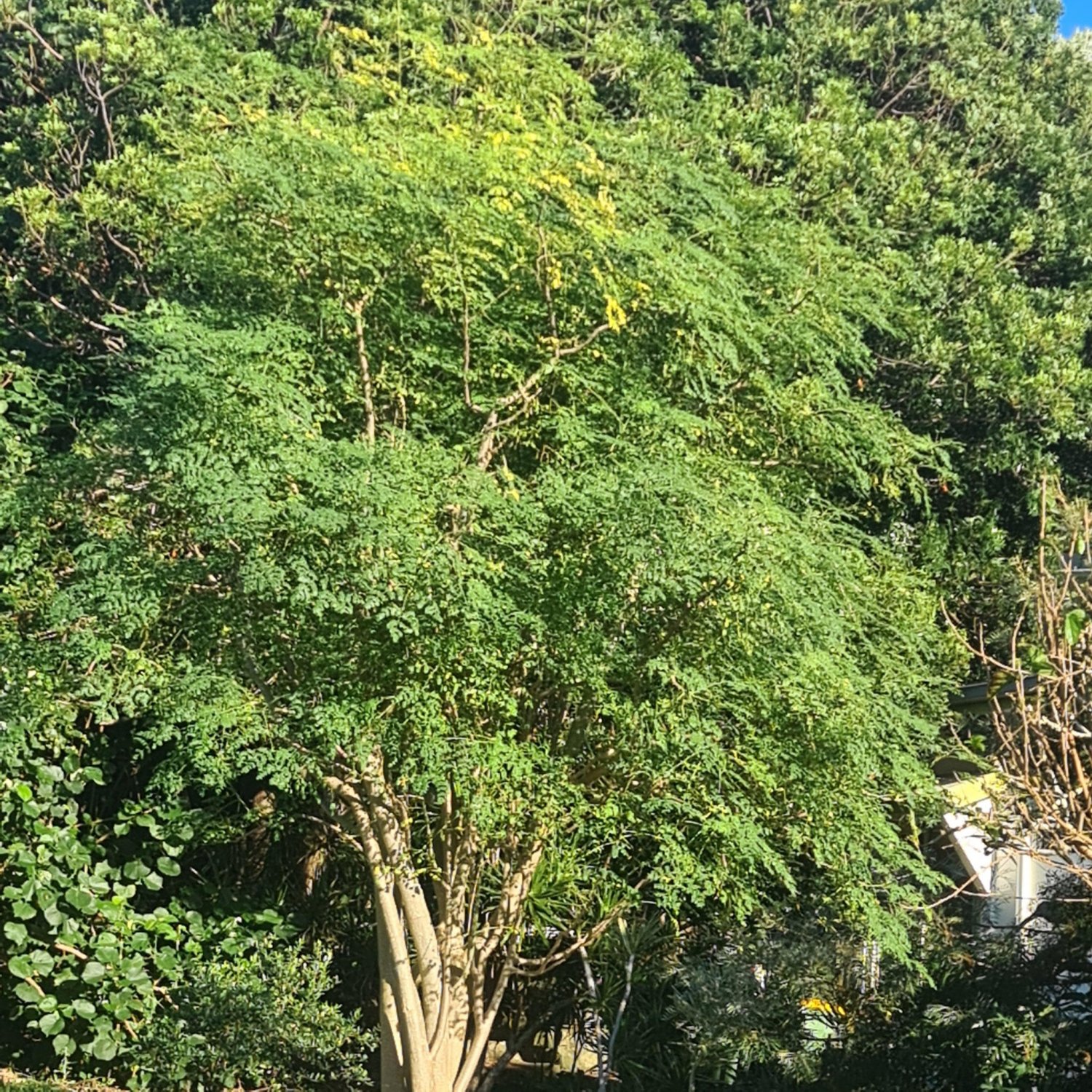
Moringa oleifera is a rapidly growing, deciduous tree that can hit heights of 10–20 feet in its first year if conditions are just right, and can grow up to 35 feet when fully mature. It has feathery, fern-like leaves that are packed with vitamins, minerals, and protein, and can be enjoyed fresh, cooked, or dried. The long, thin seed pods, often called drumsticks, are popular in cooking, while the seeds produce a valuable oil known as ben oil.
Moringa oleifera (Drumstick Tree)
Synonyms & Common Names
Drumstick Tree
Horseradish Tree
Ben Oil Tree
Miracle Tree
Origin
This tree is native to the Indian subcontinent but has now spread and is cultivated in tropical and subtropical areas all over the world. It's widely grown for its edible leaves, pods, flowers, and seeds, along with its traditional medicinal uses.
USDA Hardiness Zones
Zones 9–11 (can be grown as an annual or in containers in cooler areas)
Light Requirements
Full sun
Water Requirements
Moderate water needs when young
Extremely drought tolerant once established
Uses
Nutrient-rich edible leaves, pods, flowers, and seeds
Traditional medicinal uses
Provides shade and acts as a windbreak in agroforestry systems
Drought-resistant landscape tree
Source of ben oil for cooking and cosmetics
Care Instructions
Plant in full sun and ensure the soil drains well
Water regularly until the plant is established, then reduce frequency
Prune to promote bushier growth and make leaf harvesting easier
Protect from frost in cooler climates; can be brought indoors for winter or regrown from seed annually
Edible Parts
Various parts of the moringa tree can be eaten:
Leaves: Packed with vitamins A, C, and E, plus minerals like potassium and calcium.
Immature Seed Pods: Also called "drumsticks," they're often used in cooking.
Mature Seeds: These can be cooked or pressed for oil.
Flowers: They are edible and can be added to different dishes.
Roots: They have a taste similar to horseradish.
Nutritional Benefits
Moringa is often called a "miracle tree" because of its impressive nutritional profile. The leaves provide a good amount of protein and have anti-inflammatory benefits. The seeds produce an edible oil known as ben oil, which is rich in behenic acid and doesn't go rancid easily.
Cultivation of Moringa Oleifera
Growing Conditions
Moringa oleifera
Common Names:
Drumstick Tree, Horseradish Tree, Ben Oil Tree, Miracle Tree
Moringa oleifera is a rapidly growing, deciduous tree that can hit heights of 10–20 feet in its first year if conditions are just right, and can grow up to 35 feet when fully mature. It has feathery, fern-like leaves that are packed with vitamins, minerals, and protein, and can be enjoyed fresh, cooked, or dried. The long, thin seed pods, often called drumsticks, are popular in cooking, while the seeds produce a valuable oil known as ben oil.
Moringa oleifera (Drumstick Tree)
Synonyms & Common Names
Drumstick Tree
Horseradish Tree
Ben Oil Tree
Miracle Tree
Origin
This tree is native to the Indian subcontinent but has now spread and is cultivated in tropical and subtropical areas all over the world. It's widely grown for its edible leaves, pods, flowers, and seeds, along with its traditional medicinal uses.
USDA Hardiness Zones
Zones 9–11 (can be grown as an annual or in containers in cooler areas)
Light Requirements
Full sun
Water Requirements
Moderate water needs when young
Extremely drought tolerant once established
Uses
Nutrient-rich edible leaves, pods, flowers, and seeds
Traditional medicinal uses
Provides shade and acts as a windbreak in agroforestry systems
Drought-resistant landscape tree
Source of ben oil for cooking and cosmetics
Care Instructions
Plant in full sun and ensure the soil drains well
Water regularly until the plant is established, then reduce frequency
Prune to promote bushier growth and make leaf harvesting easier
Protect from frost in cooler climates; can be brought indoors for winter or regrown from seed annually
Edible Parts
Various parts of the moringa tree can be eaten:
Leaves: Packed with vitamins A, C, and E, plus minerals like potassium and calcium.
Immature Seed Pods: Also called "drumsticks," they're often used in cooking.
Mature Seeds: These can be cooked or pressed for oil.
Flowers: They are edible and can be added to different dishes.
Roots: They have a taste similar to horseradish.
Nutritional Benefits
Moringa is often called a "miracle tree" because of its impressive nutritional profile. The leaves provide a good amount of protein and have anti-inflammatory benefits. The seeds produce an edible oil known as ben oil, which is rich in behenic acid and doesn't go rancid easily.
Cultivation of Moringa Oleifera
Growing Conditions


