
$1.99
Add to Cart
Tall Pink Bachelor Button Cornflower Flower. 250 Seeds.
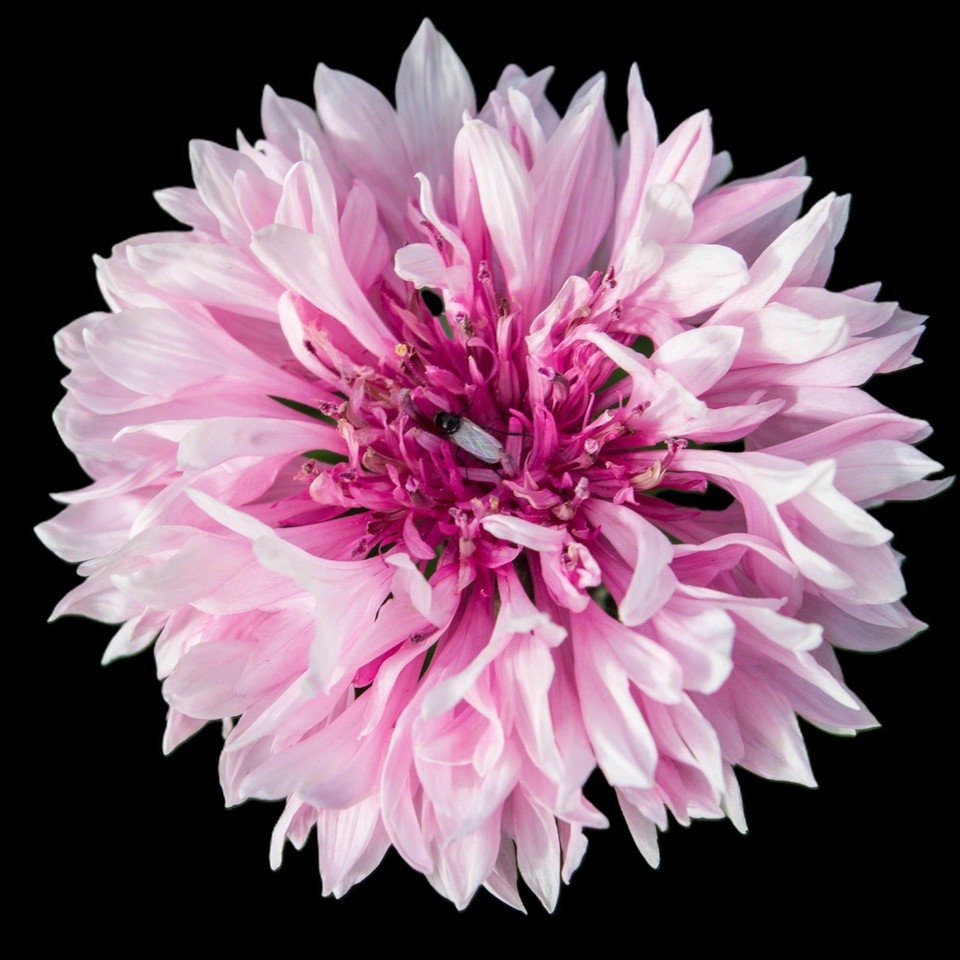


Tall Pink Bachelor Button Cornflower Flower. 250 Seeds.
Tall Pink Bachelor Button, also known as Cornflower, is a hardy annual flower that grows up to 36 inches tall and produces beautiful pink blooms. These flowers are easy to grow, attract pollinators, and can be used for cutting or drying. Popular flower known for its vibrant pink blooms. These flowers are not only beautiful but also attract pollinators and beneficial insects.
Sowing: Plant seeds directly in late fall or early spring, spacing them thinly and burying them 1/2" deep. In spring, keep the soil moist after sowing; you should see germination in about 7-10 days. If starting indoors, place three or four seeds 1/2" deep in individual peat pots. Maintain lightly moist soil at a temperature of 65-70 degrees F until they germinate; thin out to the strongest seedlings. Transplant them before they grow taller than 5".
Common Names: Bachelor's Button
Latin Name: Centaurea cyanus
Species Origin: Southern Europe
Type: Garden Flowers
Life Cycle: Annual but reseeds itself as a perennial
USDA Zones: 1, 2, 3, 4, 5, 6, 7, 8, 9, 10, 11, 12
US Regions: California, Mountain, Arid/Desert, Plains/Texas, Midwest, Northern, Northeast, Southeast
Seeds per Ounce: 6,000
Stratification: No Stratification
Germination Ease: No Stratification
Sunlight: Full Sun
Plant Height: 28" - 36″
Plant Spacing: 15" - 18"
Color: Pink
Bloom Season: Blooms Late Spring, Blooms Early Summer, Blooms Late Summer
Uses: Cut Flowers, Dried Flowers, Deer Resistant
Other: Attracts bees, birds, & butterflies
Edibility Edible petals, great for salads
Fertilization: Use an all-purpose fertilizer once a month.
Growing: Water the seedlings occasionally until they’re established. While mature plants can handle drought, they prefer enough moisture and might need some watering now and then. Trim off developing tips to encourage the plant to branch out more and grow fuller, plus produce more flowers. If the stems start to droop, give them some support. Deadhead the spent blooms for the best flower production, but remember to leave the latest blooms to allow for seed production; even though it’s an annual, it will reseed itself easily, leading to volunteer plants. This plant is a magnet for butterflies and bees, and it also provides nutritious seeds for birds. Cornflower thrives in both containers and garden beds.
Harvesting: Cornflowers are fantastic as cut flowers, typically lasting 4-5 days in a vase. When dried, they keep their color well and are a great addition to dried flower arrangements or potpourri. To dry the flowers, select blossoms that have just started to bloom; pick them once the dew has dried. Gather the stems and hang them upside down in a dark, well-ventilated area for about 2 weeks.
Seed Saving: After the flower wilts, tiny oblong seeds will develop. Once the seeds can be easily removed, they’re ready. Take off the dried seed heads and gently rub them to separate the seeds from the husk. Store the seeds in a cool, dry location.
Tall Pink Bachelor Button, also known as Cornflower, is a hardy annual flower that grows up to 36 inches tall and produces beautiful pink blooms. These flowers are easy to grow, attract pollinators, and can be used for cutting or drying. Popular flower known for its vibrant pink blooms. These flowers are not only beautiful but also attract pollinators and beneficial insects.
Sowing: Plant seeds directly in late fall or early spring, spacing them thinly and burying them 1/2" deep. In spring, keep the soil moist after sowing; you should see germination in about 7-10 days. If starting indoors, place three or four seeds 1/2" deep in individual peat pots. Maintain lightly moist soil at a temperature of 65-70 degrees F until they germinate; thin out to the strongest seedlings. Transplant them before they grow taller than 5".
Common Names: Bachelor's Button
Latin Name: Centaurea cyanus
Species Origin: Southern Europe
Type: Garden Flowers
Life Cycle: Annual but reseeds itself as a perennial
USDA Zones: 1, 2, 3, 4, 5, 6, 7, 8, 9, 10, 11, 12
US Regions: California, Mountain, Arid/Desert, Plains/Texas, Midwest, Northern, Northeast, Southeast
Seeds per Ounce: 6,000
Stratification: No Stratification
Germination Ease: No Stratification
Sunlight: Full Sun
Plant Height: 28" - 36″
Plant Spacing: 15" - 18"
Color: Pink
Bloom Season: Blooms Late Spring, Blooms Early Summer, Blooms Late Summer
Uses: Cut Flowers, Dried Flowers, Deer Resistant
Other: Attracts bees, birds, & butterflies
Edibility Edible petals, great for salads
Fertilization: Use an all-purpose fertilizer once a month.
Growing: Water the seedlings occasionally until they’re established. While mature plants can handle drought, they prefer enough moisture and might need some watering now and then. Trim off developing tips to encourage the plant to branch out more and grow fuller, plus produce more flowers. If the stems start to droop, give them some support. Deadhead the spent blooms for the best flower production, but remember to leave the latest blooms to allow for seed production; even though it’s an annual, it will reseed itself easily, leading to volunteer plants. This plant is a magnet for butterflies and bees, and it also provides nutritious seeds for birds. Cornflower thrives in both containers and garden beds.
Harvesting: Cornflowers are fantastic as cut flowers, typically lasting 4-5 days in a vase. When dried, they keep their color well and are a great addition to dried flower arrangements or potpourri. To dry the flowers, select blossoms that have just started to bloom; pick them once the dew has dried. Gather the stems and hang them upside down in a dark, well-ventilated area for about 2 weeks.
Seed Saving: After the flower wilts, tiny oblong seeds will develop. Once the seeds can be easily removed, they’re ready. Take off the dried seed heads and gently rub them to separate the seeds from the husk. Store the seeds in a cool, dry location.


