
$1.99
Add to Cart
Fringed Pinks (Dianthus superbus) Flower Seeds. 100 Seeds
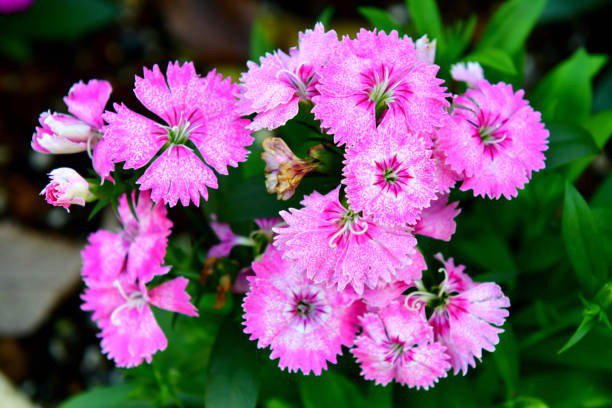


Fringed Pinks (Dianthus superbus) Flower Seeds. 100 Seeds
Fringed Pinks, or Dianthus superbus, are herbaceous perennial plants known for their sweetly scented, fringed flowers that bloom from early to late summer. They thrive in full sun and well-drained soil. Young leaves and flowers are edible; flowers can be used to flavor syrups and drinks.
These beautiful fringed pink flowers will fill the air with a delightful fragrance. The exotic lacy blooms vary from pink to white and blossom in early spring of the second season. They are very easy to cultivate and quite lovely to behold.
Greek botanist Theophrastus named these flowers Dianthus, which translates to "divine flower." The common name "pink" is derived from the Old English term "pynken," which means to cut or notch, referring to the unique jagged edges of the petals. In fact, this family of flowers led to the use of the word "pink" to describe a color.
Common Names: Carnation, Superb Pink
Latin Name: Dianthus superbus
Species Origin: Eurasia
Type: Garden Flowers
Life Cycle: Biennial, Perennial
USDA Zones: 1, 2, 3, 4, 5, 6, 7, 8, 9, 10, 11, 12
US Regions: California, Mountain, Arid/Desert, Plains/Texas, Midwest, Northern, Northeast, Southeast
Seeds per Ounce: 38,000
Stratification: No Stratification
Germination Ease: No Stratification
Sunlight: Full Sun
Height: 16 Inches
Color: White, Pink, Purple
Bloom Season: Blooms Late Spring, Blooms Early Summer
Uses: Aromatic, Attracts bees & butterflies
Sowing: Plant the Dianthus Superbus seeds directly after the last spring frost, placing them just beneath the surface and lightly compacting the soil. To start the fringed pinks seeds indoors, do so 6-8 weeks before the last frost of spring; sow them just below the surface in a flat, compress the soil slightly, and keep it moist. Maintain a temperature of 60 degrees F until germination, which should occur within 14-20 days. Thin or transplant the seedlings.
Growing: This plant thrives in dry or rocky soils. Water the seedlings until they are established; mature plants can tolerate drought and will only require watering during very dry spells. Typically, this plant forms a rosette of leaves in its first season and a flowering stalk in the second summer, although it may bloom in the first year if planted early enough. It self-seeds readily, but any unwanted volunteer seedlings can be easily removed. This plant attracts bees and butterflies while being resistant to deer.
Harvesting: To enjoy fresh flowers, cut long stems of flowers that have just opened and place them in water right away; remove the leaves that will be submerged.
Seed Saving: At the end of the season, let the flowers mature and form seed pods. The long, narrow pods will dry and turn brown, splitting open at the top when they are ripe. Shake the pods over a container to collect the tiny black disc seeds. Store the Dianthus Superbus seeds in a cool, dry location.
Fringed Pinks, or Dianthus superbus, are herbaceous perennial plants known for their sweetly scented, fringed flowers that bloom from early to late summer. They thrive in full sun and well-drained soil. Young leaves and flowers are edible; flowers can be used to flavor syrups and drinks.
These beautiful fringed pink flowers will fill the air with a delightful fragrance. The exotic lacy blooms vary from pink to white and blossom in early spring of the second season. They are very easy to cultivate and quite lovely to behold.
Greek botanist Theophrastus named these flowers Dianthus, which translates to "divine flower." The common name "pink" is derived from the Old English term "pynken," which means to cut or notch, referring to the unique jagged edges of the petals. In fact, this family of flowers led to the use of the word "pink" to describe a color.
Common Names: Carnation, Superb Pink
Latin Name: Dianthus superbus
Species Origin: Eurasia
Type: Garden Flowers
Life Cycle: Biennial, Perennial
USDA Zones: 1, 2, 3, 4, 5, 6, 7, 8, 9, 10, 11, 12
US Regions: California, Mountain, Arid/Desert, Plains/Texas, Midwest, Northern, Northeast, Southeast
Seeds per Ounce: 38,000
Stratification: No Stratification
Germination Ease: No Stratification
Sunlight: Full Sun
Height: 16 Inches
Color: White, Pink, Purple
Bloom Season: Blooms Late Spring, Blooms Early Summer
Uses: Aromatic, Attracts bees & butterflies
Sowing: Plant the Dianthus Superbus seeds directly after the last spring frost, placing them just beneath the surface and lightly compacting the soil. To start the fringed pinks seeds indoors, do so 6-8 weeks before the last frost of spring; sow them just below the surface in a flat, compress the soil slightly, and keep it moist. Maintain a temperature of 60 degrees F until germination, which should occur within 14-20 days. Thin or transplant the seedlings.
Growing: This plant thrives in dry or rocky soils. Water the seedlings until they are established; mature plants can tolerate drought and will only require watering during very dry spells. Typically, this plant forms a rosette of leaves in its first season and a flowering stalk in the second summer, although it may bloom in the first year if planted early enough. It self-seeds readily, but any unwanted volunteer seedlings can be easily removed. This plant attracts bees and butterflies while being resistant to deer.
Harvesting: To enjoy fresh flowers, cut long stems of flowers that have just opened and place them in water right away; remove the leaves that will be submerged.
Seed Saving: At the end of the season, let the flowers mature and form seed pods. The long, narrow pods will dry and turn brown, splitting open at the top when they are ripe. Shake the pods over a container to collect the tiny black disc seeds. Store the Dianthus Superbus seeds in a cool, dry location.


