
$2.49
Add to Cart
Large Red Thick Cayenne Hot Pepper Seeds "10"
More than 10 available, 1 sold
Details
Shipping: US-Mainland: free (more destinations)
Condition: Brand new


Large Red Thick Cayenne Hot Pepper Seeds "10"
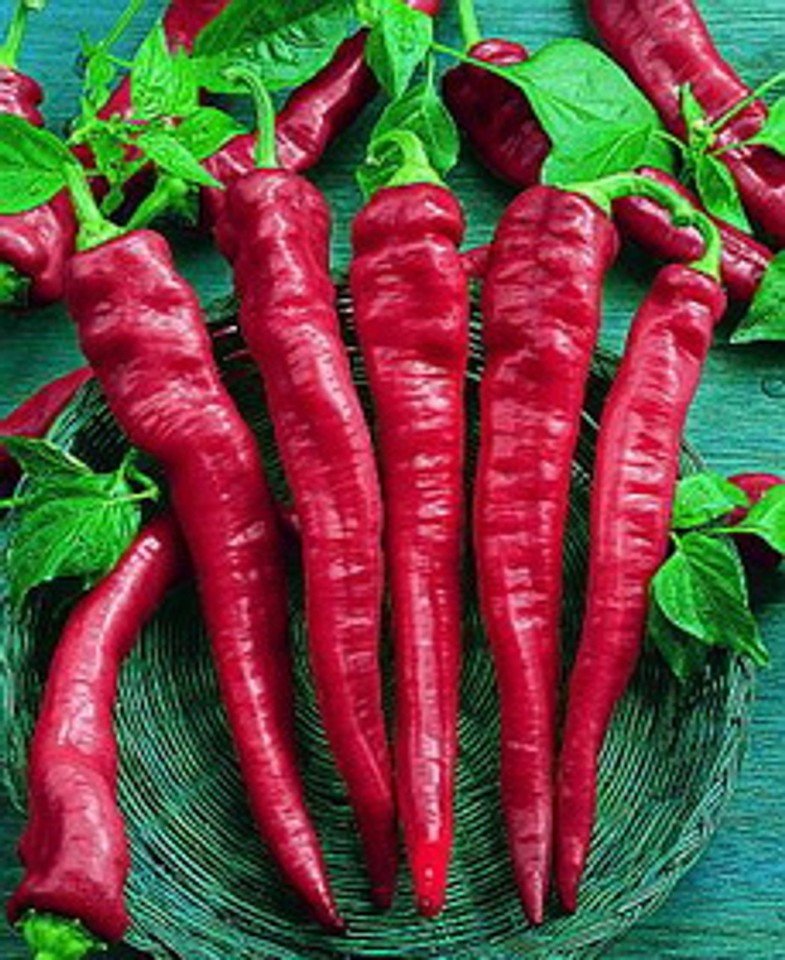
The Large Red Thick Cayenne Pepper is characterized by its thickness, being twice as thick as other varieties of cayenne! Its flesh is notably large, exhibiting a wrinkled, tapered, and curved shape, measuring approximately 15cm (6 inches) in length and 4cm (1.2 inches) in diameter. These large cayenne peppers are known for their spicy heat, turning a vibrant red upon reaching maturity. Renowned for their intense, fiery flavor, they provide an ideal balance of heat that is not overwhelming. They can be utilized to create your own unique blends of tangy hot sauces, chutneys, and oils, or can be dried to serve as aromatic ingredients in your preferred spicy dishes. The plants yield abundantly, enabling you to savor fresh peppers throughout the growing season or to dry them for use all year round. Rich in vitamins A and C, these peppers not only elevate the flavor of your dishes but also contribute a nutritional advantage. The spiciness level is classified as medium, ranging from 3,500 to 5,000 Scoville Units.
Latin Name: Capsicum anuum
Days to Germinate: 14-21
Days to Harvest: 75
Plant Height: 2 - 3 Feet
Spread: 18 - 24 Inches
Growth Habit: Bush
USDA Zones: 3-11
Lifespan: Annual, Perennial 9-12
Brand: TomorrowSeeds
Sunlight: Full Sun, Partial Shade
Pollination: Heirloom, Open-Pollinated
GMO: No
Fungicide-Treated Seeds*: No
Soil Preparation:
Select a location with dense, well-draining soil that gets a minimum of 6 hours of sunlight daily. Clear away weeds, large stones, and debris from the planting site. You can leave small weeds and dead grass, as they will enhance the soil when turned under. Use a spade or tiller to loosen the soil to a depth of 8-12 inches. This will aid the plants in developing robust roots.
Plants thrive best in soil rich in organic matter. At this stage, you can choose to incorporate fertilizer or organic materials like compost, leaves, or decomposed hay into the soil. For smaller gardens, distribute 2-3 tablespoons of a complete fertilizer evenly and mix it into the top 2-3 inches of soil for each hill or 2-foot by 2-foot planting area. For larger gardens, apply 2-3 pounds of complete fertilizer for every 100 square feet of planting space. Blend the fertilizer or organic matter into the soil and ensure the surface is smooth.
Create rows of soil beds that are 4-6 inches high and spaced at least 3 feet apart. This ridge formation will assist with drainage.
Planting:
Peppers flourish in warm conditions, ideally with daytime temperatures between 65F-80F and nighttime temperatures ranging from 60F-70F.
Starting Indoors: To achieve an earlier pepper harvest, you may choose to start planting indoors in containers 8-10 weeks prior to the last expected frost date in Spring, maintaining seedlings at a minimum of 70F. After hardening off, transplant the seedlings outdoors in a sunny spot when the soil temperature exceeds 65F. To transplant, prepare a hole in a sunny outdoor location. Carefully remove the plants from their pots or flats and place them in the holes, burying part of the stem in the soil. Loosely pack the soil around the plant and create a slightly sunken area around each plant to retain water. Water the plants after transplanting.
Direct Sowing: When sowing peppers directly outdoors, it's best to do so in late spring once the soil temperature reaches at least 65F. Planting in the fall is generally not advisable because peppers thrive in heat and need a long growing season; however, it can be done in regions with mild winters where temperatures consistently range from 70-80F, or if you are growing them indoors at temperatures above 70F with the help of supplemental grow lights. If you decide to plant in the fall, make sure to do so at least 12-16 weeks prior to the first expected frost in the fall.
To plant, create holes that are 1/2 inch deep and spaced 18 inches apart along the rows of raised beds. Place 2-3 seeds in each hole. If you opt to thin the plants to keep only the strongest one, identify the healthiest plant and remove the others, leaving just one plant per hole. After planting, cover the seeds lightly with soil and water them well.
Planting Depth: 1/2 inch
Within-Row Spacing: 18 inches
Between-Row Spacing: 3 feet
Care During the Season:
Watering: Ensure you water the plants thoroughly, soaking the soil to a depth of 6-8 inches, once or twice a week. In the absence of rainfall, increase watering to 3-4 times a week. Sandy soils may require more frequent watering compared to heavy clay soils. Applying mulch around the plants can help retain moisture.
Weeding: Maintaining a weed-free environment for your plants enhances their productivity. When plowing or hoeing, avoid digging deeper than 1 inch to prevent damaging the feeder roots.
Fertilizing: After seedlings are well-established, typically 2-3 weeks post-germination, you can optionally apply 2 tablespoons of a complete fertilizer around each planting hole, or 1-2 pounds per 100 square feet, ensuring the fertilizer does not come into contact with the plants. Optionally, continue to fertilize every 1-2 weeks as the plants grow. Remember to water the plants after fertilizing.
Insecticides: To safeguard your plants, insecticides can be utilized. Organic options such as Bt-based insecticides and sulfur are available for preventive measures. Sulfur also possesses fungicidal properties and aids in managing various diseases. Always read the label and adhere to the cautions, warnings, and instructions before using any pesticide.
Diseases: If you notice spots or mold on your plants, treat them with an approved fungicide. Neem oil, sulfur, and other fungicides are viable options. Always follow the label directions when using fungicides.
Harvesting:
Cayenne peppers are ready to be picked when they have reached their full size, typically around 4 to 6 inches long, and have turned red, which usually occurs about 70-100 days after planting. To harvest, use clean garden shears or scissors to cut the peppers from the plant, leaving a small part of the stem attached to prevent damaging the plant. Be cautious when handling the peppers, as their oils can cause irritation to the skin and eyes. Wear gloves if necessary. Regular harvesting promotes the plant to produce more peppers, so make sure to pick them often once they start to ripen. You can also harvest cayenne peppers while they are still green if you prefer a milder taste, but waiting until they are fully ripe guarantees the best heat and flavor. After harvesting, keep fresh cayenne peppers in the refrigerator or dry them for long-term storage.
The Large Red Thick Cayenne Pepper is characterized by its thickness, being twice as thick as other varieties of cayenne! Its flesh is notably large, exhibiting a wrinkled, tapered, and curved shape, measuring approximately 15cm (6 inches) in length and 4cm (1.2 inches) in diameter. These large cayenne peppers are known for their spicy heat, turning a vibrant red upon reaching maturity. Renowned for their intense, fiery flavor, they provide an ideal balance of heat that is not overwhelming. They can be utilized to create your own unique blends of tangy hot sauces, chutneys, and oils, or can be dried to serve as aromatic ingredients in your preferred spicy dishes. The plants yield abundantly, enabling you to savor fresh peppers throughout the growing season or to dry them for use all year round. Rich in vitamins A and C, these peppers not only elevate the flavor of your dishes but also contribute a nutritional advantage. The spiciness level is classified as medium, ranging from 3,500 to 5,000 Scoville Units.
Latin Name: Capsicum anuum
Days to Germinate: 14-21
Days to Harvest: 75
Plant Height: 2 - 3 Feet
Spread: 18 - 24 Inches
Growth Habit: Bush
USDA Zones: 3-11
Lifespan: Annual, Perennial 9-12
Brand: TomorrowSeeds
Sunlight: Full Sun, Partial Shade
Pollination: Heirloom, Open-Pollinated
GMO: No
Fungicide-Treated Seeds*: No
Soil Preparation:
Select a location with dense, well-draining soil that gets a minimum of 6 hours of sunlight daily. Clear away weeds, large stones, and debris from the planting site. You can leave small weeds and dead grass, as they will enhance the soil when turned under. Use a spade or tiller to loosen the soil to a depth of 8-12 inches. This will aid the plants in developing robust roots.
Plants thrive best in soil rich in organic matter. At this stage, you can choose to incorporate fertilizer or organic materials like compost, leaves, or decomposed hay into the soil. For smaller gardens, distribute 2-3 tablespoons of a complete fertilizer evenly and mix it into the top 2-3 inches of soil for each hill or 2-foot by 2-foot planting area. For larger gardens, apply 2-3 pounds of complete fertilizer for every 100 square feet of planting space. Blend the fertilizer or organic matter into the soil and ensure the surface is smooth.
Create rows of soil beds that are 4-6 inches high and spaced at least 3 feet apart. This ridge formation will assist with drainage.
Planting:
Peppers flourish in warm conditions, ideally with daytime temperatures between 65F-80F and nighttime temperatures ranging from 60F-70F.
Starting Indoors: To achieve an earlier pepper harvest, you may choose to start planting indoors in containers 8-10 weeks prior to the last expected frost date in Spring, maintaining seedlings at a minimum of 70F. After hardening off, transplant the seedlings outdoors in a sunny spot when the soil temperature exceeds 65F. To transplant, prepare a hole in a sunny outdoor location. Carefully remove the plants from their pots or flats and place them in the holes, burying part of the stem in the soil. Loosely pack the soil around the plant and create a slightly sunken area around each plant to retain water. Water the plants after transplanting.
Direct Sowing: When sowing peppers directly outdoors, it's best to do so in late spring once the soil temperature reaches at least 65F. Planting in the fall is generally not advisable because peppers thrive in heat and need a long growing season; however, it can be done in regions with mild winters where temperatures consistently range from 70-80F, or if you are growing them indoors at temperatures above 70F with the help of supplemental grow lights. If you decide to plant in the fall, make sure to do so at least 12-16 weeks prior to the first expected frost in the fall.
To plant, create holes that are 1/2 inch deep and spaced 18 inches apart along the rows of raised beds. Place 2-3 seeds in each hole. If you opt to thin the plants to keep only the strongest one, identify the healthiest plant and remove the others, leaving just one plant per hole. After planting, cover the seeds lightly with soil and water them well.
Planting Depth: 1/2 inch
Within-Row Spacing: 18 inches
Between-Row Spacing: 3 feet
Care During the Season:
Watering: Ensure you water the plants thoroughly, soaking the soil to a depth of 6-8 inches, once or twice a week. In the absence of rainfall, increase watering to 3-4 times a week. Sandy soils may require more frequent watering compared to heavy clay soils. Applying mulch around the plants can help retain moisture.
Weeding: Maintaining a weed-free environment for your plants enhances their productivity. When plowing or hoeing, avoid digging deeper than 1 inch to prevent damaging the feeder roots.
Fertilizing: After seedlings are well-established, typically 2-3 weeks post-germination, you can optionally apply 2 tablespoons of a complete fertilizer around each planting hole, or 1-2 pounds per 100 square feet, ensuring the fertilizer does not come into contact with the plants. Optionally, continue to fertilize every 1-2 weeks as the plants grow. Remember to water the plants after fertilizing.
Insecticides: To safeguard your plants, insecticides can be utilized. Organic options such as Bt-based insecticides and sulfur are available for preventive measures. Sulfur also possesses fungicidal properties and aids in managing various diseases. Always read the label and adhere to the cautions, warnings, and instructions before using any pesticide.
Diseases: If you notice spots or mold on your plants, treat them with an approved fungicide. Neem oil, sulfur, and other fungicides are viable options. Always follow the label directions when using fungicides.
Harvesting:
Cayenne peppers are ready to be picked when they have reached their full size, typically around 4 to 6 inches long, and have turned red, which usually occurs about 70-100 days after planting. To harvest, use clean garden shears or scissors to cut the peppers from the plant, leaving a small part of the stem attached to prevent damaging the plant. Be cautious when handling the peppers, as their oils can cause irritation to the skin and eyes. Wear gloves if necessary. Regular harvesting promotes the plant to produce more peppers, so make sure to pick them often once they start to ripen. You can also harvest cayenne peppers while they are still green if you prefer a milder taste, but waiting until they are fully ripe guarantees the best heat and flavor. After harvesting, keep fresh cayenne peppers in the refrigerator or dry them for long-term storage.


