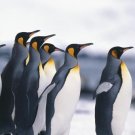
$200.00
Add to Cart
Ecology

More than 10 available
Details
Shipping: US-Mainland: free (more destinations)
Condition: Brand new
*The store has not been updated recently. You may want to contact the merchant to confirm the availability of the product.
Curriculum Design and Instruction To Teach
Ecology:
Author: Charles Hayes:
Special Features Include:
Phases For Conducting A Needs Assessment:
Curriculum Design Supplement:
|a|. Subject-Questions-Answers:
Curriculum Design Plan:
Lesson Plans:
Instructional Goals:
Instructional Objectives:
Instructional Activities:
Instructional Evaluation Techniques:
Standard Vocabulary:
A Limited Glimpse:
Topics Include:
I. Introduction:
A. What is Ecology:
1. Looking at nature from a differenct perspective:
B. People and Nature:
1. Understanding the changing interactions
between people and ecology systems:
C. Landscape Ecology:
1. Living in a Mosaic:
D. Ecosystem Ecology:
1. Integrated physical, chemical and biological
processes:
E. Physiological Ecology:
1. Tradeoffs for individuals:
F. Behavioral Ecology:
1. Investigating the adaptive value of behavior:
F. Population Ecology:
1. The waxing and waning of populatons:
G. Community Ecology:
1. The Issue at the center:
II. Photos:
III. REFERENCES:
IV. PAPERBACK:
V. 400 PAGES:
Ecology:
Author: Charles Hayes:
Special Features Include:
Phases For Conducting A Needs Assessment:
Curriculum Design Supplement:
|a|. Subject-Questions-Answers:
Curriculum Design Plan:
Lesson Plans:
Instructional Goals:
Instructional Objectives:
Instructional Activities:
Instructional Evaluation Techniques:
Standard Vocabulary:
A Limited Glimpse:
Topics Include:
I. Introduction:
A. What is Ecology:
1. Looking at nature from a differenct perspective:
B. People and Nature:
1. Understanding the changing interactions
between people and ecology systems:
C. Landscape Ecology:
1. Living in a Mosaic:
D. Ecosystem Ecology:
1. Integrated physical, chemical and biological
processes:
E. Physiological Ecology:
1. Tradeoffs for individuals:
F. Behavioral Ecology:
1. Investigating the adaptive value of behavior:
F. Population Ecology:
1. The waxing and waning of populatons:
G. Community Ecology:
1. The Issue at the center:
II. Photos:
III. REFERENCES:
IV. PAPERBACK:
V. 400 PAGES:
Other Products from doctor (View All)
-
$100.00

-
$100.00

-
$100.00
-
$100.00

-
$200.00

-
$100.00

-
$21.00

-
$150.00
-
$21.00
-
$100.00