
$109.99
Add to Cart
Red Delicious Apple Tree Fruit Tree Houseplant Plant Rare - Home Garden Plant EBER
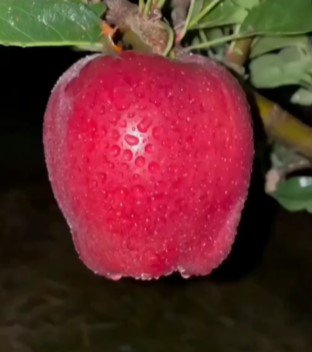
Red Delicious Apple Tree Fruit Tree Houseplant Plant Rare - Home Garden Plant EBER
The **Red Delicious Apple** is one of the most recognizable and popular apple varieties, known for its deep red color, crisp texture, and sweet flavor. Here’s a comprehensive guide to growing and caring for a Red Delicious apple tree:
### Care Tips for Red Delicious Apple Tree
1. **Light**: Apple trees, including Red Delicious, require full sun for optimal growth and fruit production. Provide at least 6-8 hours of direct sunlight daily. Ensure there is enough space around the tree to avoid shading from other plants or structures.
2. **Watering**: Regular watering is crucial for apple trees. Water deeply and consistently, particularly during the growing season. Allow the top 1-2 inches of soil to dry out between waterings. Avoid waterlogging, as excess moisture can lead to root rot.
3. **Soil**: Apple trees thrive in well-draining soil with a pH of 6.0-6.8. They prefer loamy or sandy-loam soil that retains moisture but drains well. Incorporate organic matter like compost to improve soil structure and fertility.
4. **Temperature**: Red Delicious apple trees need a cold winter period (chilling hours) to produce fruit. They typically require 800-1,000 chilling hours below 45°F (7°C) to break dormancy and bloom. They grow best in temperate climates with cold winters and warm summers.
5. **Humidity**: Apple trees are relatively tolerant of different humidity levels, but they perform best in moderate humidity. Ensure good air circulation around the tree to prevent fungal diseases.
6. **Fertilizing**: Fertilize your apple tree with a balanced, slow-release fertilizer designed for fruit trees. Apply fertilizer in early spring before new growth begins. Avoid over-fertilizing, as this can lead to excessive foliage at the expense of fruit production. Follow the manufacturer’s recommendations for application rates.
7. **Pruning**: Regular pruning is essential to maintain the tree’s shape, remove dead or diseased wood, and promote better air circulation. Prune in late winter or early spring before new growth starts. Thinning out crowded branches helps improve sunlight penetration and fruit quality.
8. **Pollination**: Red Delicious apple trees are generally not self-pollinating. Planting another apple variety nearby can improve pollination and fruit set. Choose varieties that bloom at the same time as Red Delicious to ensure effective cross-pollination.
9. **Pests and Diseases**: Common pests include aphids, codling moths, and apple maggots. Diseases such as apple scab, powdery mildew, and fire blight can also affect apple trees. Regularly inspect your tree for signs of pests or diseases and use appropriate treatments, such as insecticidal soap or fungicides, when needed.
10. **Harvesting**: Red Delicious apples are typically ready to harvest in late summer to early fall, depending on your location. The apples should be deep red and firm to the touch. They do not continue to ripen significantly after being picked, so harvest when they reach their full color and sweetness.
### Additional Tips:
- **Mulching**: Apply mulch around the base of the tree to help retain soil moisture, suppress weeds, and regulate soil temperature. Keep mulch away from the trunk to prevent rot.
- **Thinning Fruit**: If the tree sets too much fruit, thin out some of the apples to improve fruit size and quality. This also helps prevent the tree from becoming overloaded, which can stress it.
- **Winter Protection**: In regions with harsh winters, protect the tree’s trunk from frost and animal damage by wrapping it with a tree guard or using a protective mulch around the base.
- **Spacing**: Ensure adequate spacing between trees to allow for proper growth and airflow. This reduces the risk of disease and makes maintenance easier.
With proper care and the right conditions, your Red Delicious apple tree can provide you with beautiful, sweet apples and enhance your garden or orchard.
For sizes according to existing stock, please message me for the size you want. Thank you
The **Red Delicious Apple** is one of the most recognizable and popular apple varieties, known for its deep red color, crisp texture, and sweet flavor. Here’s a comprehensive guide to growing and caring for a Red Delicious apple tree:
### Care Tips for Red Delicious Apple Tree
1. **Light**: Apple trees, including Red Delicious, require full sun for optimal growth and fruit production. Provide at least 6-8 hours of direct sunlight daily. Ensure there is enough space around the tree to avoid shading from other plants or structures.
2. **Watering**: Regular watering is crucial for apple trees. Water deeply and consistently, particularly during the growing season. Allow the top 1-2 inches of soil to dry out between waterings. Avoid waterlogging, as excess moisture can lead to root rot.
3. **Soil**: Apple trees thrive in well-draining soil with a pH of 6.0-6.8. They prefer loamy or sandy-loam soil that retains moisture but drains well. Incorporate organic matter like compost to improve soil structure and fertility.
4. **Temperature**: Red Delicious apple trees need a cold winter period (chilling hours) to produce fruit. They typically require 800-1,000 chilling hours below 45°F (7°C) to break dormancy and bloom. They grow best in temperate climates with cold winters and warm summers.
5. **Humidity**: Apple trees are relatively tolerant of different humidity levels, but they perform best in moderate humidity. Ensure good air circulation around the tree to prevent fungal diseases.
6. **Fertilizing**: Fertilize your apple tree with a balanced, slow-release fertilizer designed for fruit trees. Apply fertilizer in early spring before new growth begins. Avoid over-fertilizing, as this can lead to excessive foliage at the expense of fruit production. Follow the manufacturer’s recommendations for application rates.
7. **Pruning**: Regular pruning is essential to maintain the tree’s shape, remove dead or diseased wood, and promote better air circulation. Prune in late winter or early spring before new growth starts. Thinning out crowded branches helps improve sunlight penetration and fruit quality.
8. **Pollination**: Red Delicious apple trees are generally not self-pollinating. Planting another apple variety nearby can improve pollination and fruit set. Choose varieties that bloom at the same time as Red Delicious to ensure effective cross-pollination.
9. **Pests and Diseases**: Common pests include aphids, codling moths, and apple maggots. Diseases such as apple scab, powdery mildew, and fire blight can also affect apple trees. Regularly inspect your tree for signs of pests or diseases and use appropriate treatments, such as insecticidal soap or fungicides, when needed.
10. **Harvesting**: Red Delicious apples are typically ready to harvest in late summer to early fall, depending on your location. The apples should be deep red and firm to the touch. They do not continue to ripen significantly after being picked, so harvest when they reach their full color and sweetness.
### Additional Tips:
- **Mulching**: Apply mulch around the base of the tree to help retain soil moisture, suppress weeds, and regulate soil temperature. Keep mulch away from the trunk to prevent rot.
- **Thinning Fruit**: If the tree sets too much fruit, thin out some of the apples to improve fruit size and quality. This also helps prevent the tree from becoming overloaded, which can stress it.
- **Winter Protection**: In regions with harsh winters, protect the tree’s trunk from frost and animal damage by wrapping it with a tree guard or using a protective mulch around the base.
- **Spacing**: Ensure adequate spacing between trees to allow for proper growth and airflow. This reduces the risk of disease and makes maintenance easier.
With proper care and the right conditions, your Red Delicious apple tree can provide you with beautiful, sweet apples and enhance your garden or orchard.
For sizes according to existing stock, please message me for the size you want. Thank you


 ID, yogyakarta
