
$65.99
Add to Cart
Anthurium Polydactylum Flower Houseplant Live Plant - Plant for Your Home Garden
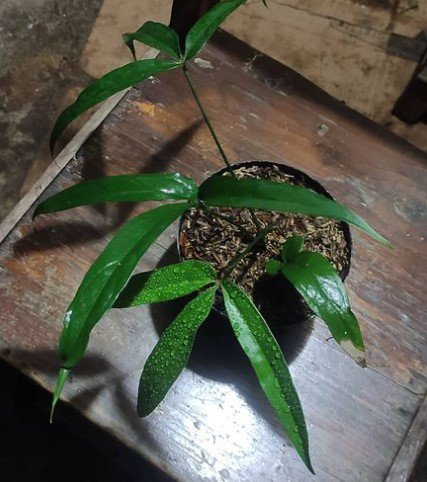
Anthurium Polydactylum Flower Houseplant Live Plant - Plant for Your Home Garden
**Anthurium polydactylum** is an exotic species of flowering plant within the Araceae family, known for its distinctive foliage and unusual flowers. Here’s an overview of this intriguing plant:
1. **Appearance**: Anthurium polydactylum is characterized by its large, elongated leaves that can grow up to 30-60 cm (12-24 inches) long. The leaves are typically dark green and have a leathery texture. They are deeply lobed or "fingered," giving them a unique and ornamental appearance. The leaf shape is where the species name "polydactylum," meaning "many fingers," originates.
2. **Flowers**: The flowers of Anthurium polydactylum are also unusual and add to its appeal. The spathe (modified leaf) is typically white or cream-colored, while the spadix (flower spike) is yellowish-green to cream. The flowers are not as showy as the foliage but are interesting in their structure and form.
3. **Habitat and Range**: Anthurium polydactylum is native to tropical rainforests of Central and South America, where it grows as an epiphyte or terrestrial plant. It thrives in warm, humid environments and is often found growing on forest floors or attached to trees.
4. **Growing Conditions**: To thrive, Anthurium polydactylum prefers bright, indirect light. It can tolerate lower light conditions but may grow more slowly. Direct sunlight should be filtered or limited to avoid leaf burn. The plant requires well-draining soil that retains moisture but does not become waterlogged. Regular watering is necessary to keep the soil consistently moist, especially during the growing season.
5. **Cultural Uses**: Anthurium polydactylum is primarily grown as an ornamental houseplant or indoor plant. Its large, uniquely shaped leaves and occasional flowers make it a desirable addition to tropical-themed indoor gardens or as a statement piece in living spaces, offices, or conservatories.
6. **Maintenance**: Regular pruning helps manage the plant's size and shape and encourages bushier growth. Remove any yellowing or damaged leaves to promote overall plant health. Wiping the leaves occasionally with a damp cloth helps keep them clean and free from dust, which can hinder photosynthesis.
7. **Propagation**: Anthurium polydactylum can be propagated through division or by stem cuttings. Division involves separating the rhizome and planting each division in a separate pot with suitable potting mix. Stem cuttings with at least one node can also be rooted in water or a well-draining potting mix until roots develop.
8. **Special Considerations**: Like many Anthurium species, Anthurium polydactylum contains calcium oxalate crystals, which can be irritating to the skin and toxic if ingested. Therefore, it should be kept out of reach of children and pets.
Overall, Anthurium polydactylum is prized for its unusual foliage and occasional flowers, making it a captivating addition to indoor plant collections where its tropical appearance can be appreciated. With proper care and attention to its growing conditions, it can thrive and contribute to a lush and green indoor environment.
In the photo is not factual item...
The size live plant item depends on stock...
Thank you
**Anthurium polydactylum** is an exotic species of flowering plant within the Araceae family, known for its distinctive foliage and unusual flowers. Here’s an overview of this intriguing plant:
1. **Appearance**: Anthurium polydactylum is characterized by its large, elongated leaves that can grow up to 30-60 cm (12-24 inches) long. The leaves are typically dark green and have a leathery texture. They are deeply lobed or "fingered," giving them a unique and ornamental appearance. The leaf shape is where the species name "polydactylum," meaning "many fingers," originates.
2. **Flowers**: The flowers of Anthurium polydactylum are also unusual and add to its appeal. The spathe (modified leaf) is typically white or cream-colored, while the spadix (flower spike) is yellowish-green to cream. The flowers are not as showy as the foliage but are interesting in their structure and form.
3. **Habitat and Range**: Anthurium polydactylum is native to tropical rainforests of Central and South America, where it grows as an epiphyte or terrestrial plant. It thrives in warm, humid environments and is often found growing on forest floors or attached to trees.
4. **Growing Conditions**: To thrive, Anthurium polydactylum prefers bright, indirect light. It can tolerate lower light conditions but may grow more slowly. Direct sunlight should be filtered or limited to avoid leaf burn. The plant requires well-draining soil that retains moisture but does not become waterlogged. Regular watering is necessary to keep the soil consistently moist, especially during the growing season.
5. **Cultural Uses**: Anthurium polydactylum is primarily grown as an ornamental houseplant or indoor plant. Its large, uniquely shaped leaves and occasional flowers make it a desirable addition to tropical-themed indoor gardens or as a statement piece in living spaces, offices, or conservatories.
6. **Maintenance**: Regular pruning helps manage the plant's size and shape and encourages bushier growth. Remove any yellowing or damaged leaves to promote overall plant health. Wiping the leaves occasionally with a damp cloth helps keep them clean and free from dust, which can hinder photosynthesis.
7. **Propagation**: Anthurium polydactylum can be propagated through division or by stem cuttings. Division involves separating the rhizome and planting each division in a separate pot with suitable potting mix. Stem cuttings with at least one node can also be rooted in water or a well-draining potting mix until roots develop.
8. **Special Considerations**: Like many Anthurium species, Anthurium polydactylum contains calcium oxalate crystals, which can be irritating to the skin and toxic if ingested. Therefore, it should be kept out of reach of children and pets.
Overall, Anthurium polydactylum is prized for its unusual foliage and occasional flowers, making it a captivating addition to indoor plant collections where its tropical appearance can be appreciated. With proper care and attention to its growing conditions, it can thrive and contribute to a lush and green indoor environment.
In the photo is not factual item...
The size live plant item depends on stock...
Thank you
You may also be interested in:
-
$5.00
-
$14.97
-
$11.00
-
$39.97

-
$6.00
-
$10.00

-
$4.00
-
$36.95
-
$14.97

-
$39.97


 ID, yogyakarta
