$18.50
Add to Cart
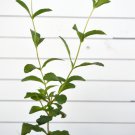
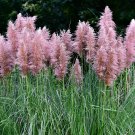
Pampas Grass (Cortaderia selloana) 1 Starter Live Plant


Pampas Grass (Cortaderia selloana)
Botanical Characteristics
Scientific Name: Cortaderia selloana
Common Names: Pampas Grass
Family: Poaceae (Grass family)
Origin: Native to South America (Argentina, Brazil, Uruguay)
Plant Type: Perennial grass
Growth Habit: Clumping
Height: 6 to 10 feet (can reach up to 12 feet with plumes)
Spread: 3 to 6 feet
Leaves: Long, narrow, arching, sharp-edged
Flowers: Large, fluffy, plume-like panicles; typically white, can also be pinkish or purplish
Bloom Time: Late summer to early fall
Environmental Tolerances
Temperature: Hardy to USDA Zones 7-11. Can tolerate temperatures down to about 0°F (-18°C) in Zone 7. In colder climates, protect the crown with mulch.
Drought: Highly drought-tolerant once established.
Salt: Tolerant of coastal conditions and salty soils.
Wind: Can withstand strong winds due to its flexible stems and dense clumps.
Planting and Establishment
Best Time to Plant: Spring or early fall.
Planting Depth: Plant at the same depth as in the nursery pot, ensuring the crown is just above the soil level.
Spacing: Space plants 6 to 8 feet apart to allow ample room for growth and airflow.
Maintenance
Deadheading: Remove spent flower plumes to prevent self-seeding and maintain a tidy appearance.
Dividing: Every 3-4 years, divide the clump to rejuvenate the plant and control its spread. This is best done in early spring.
Botanical Characteristics
Scientific Name: Cortaderia selloana
Common Names: Pampas Grass
Family: Poaceae (Grass family)
Origin: Native to South America (Argentina, Brazil, Uruguay)
Plant Type: Perennial grass
Growth Habit: Clumping
Height: 6 to 10 feet (can reach up to 12 feet with plumes)
Spread: 3 to 6 feet
Leaves: Long, narrow, arching, sharp-edged
Flowers: Large, fluffy, plume-like panicles; typically white, can also be pinkish or purplish
Bloom Time: Late summer to early fall
Environmental Tolerances
Temperature: Hardy to USDA Zones 7-11. Can tolerate temperatures down to about 0°F (-18°C) in Zone 7. In colder climates, protect the crown with mulch.
Drought: Highly drought-tolerant once established.
Salt: Tolerant of coastal conditions and salty soils.
Wind: Can withstand strong winds due to its flexible stems and dense clumps.
Planting and Establishment
Best Time to Plant: Spring or early fall.
Planting Depth: Plant at the same depth as in the nursery pot, ensuring the crown is just above the soil level.
Spacing: Space plants 6 to 8 feet apart to allow ample room for growth and airflow.
Maintenance
Deadheading: Remove spent flower plumes to prevent self-seeding and maintain a tidy appearance.
Dividing: Every 3-4 years, divide the clump to rejuvenate the plant and control its spread. This is best done in early spring.
You may also be interested in:
-
$6.99
-
$3.69
-
$4.89
-
$19.00
-
$8.48

-
$6.00
-
$4.00

-
$60.00

-
$4.00

-
$5.00