
$29.99
Add to Cart
Alocasia Silver dragon Home Flower Rare Live Plant - Plant for Your Home Garden
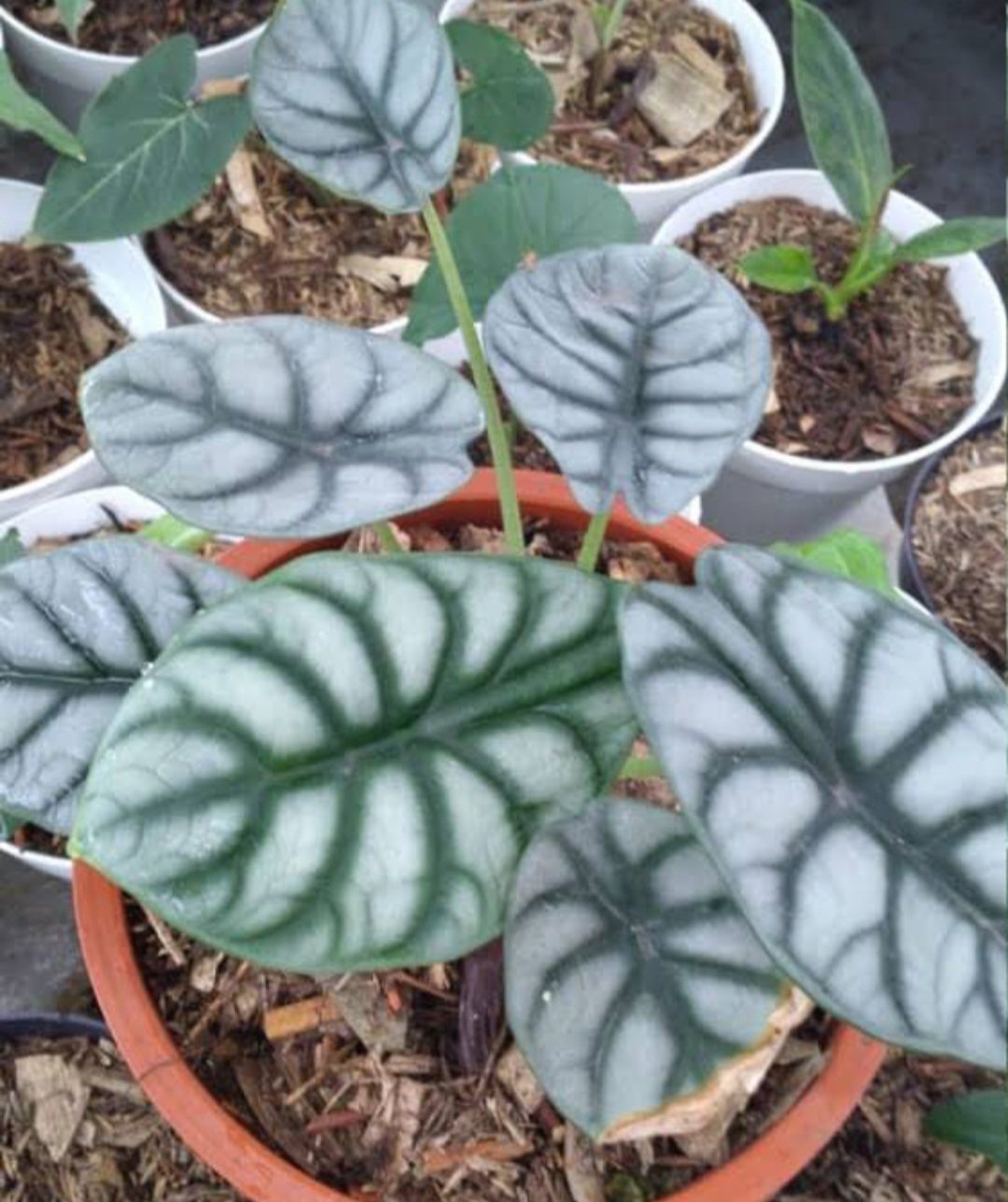
Alocasia Silver dragon Home Flower Rare Live Plant - Plant for Your Home Garden
Alocasia, also known as Elephant Ear or African Mask Plant, is a stunning tropical plant known for its large, heart-shaped leaves and striking appearance. Here's a guide on how to grow and care for Alocasia:
Light: Alocasia thrives in bright, indirect light. Avoid direct sunlight, especially intense afternoon sun, as it can scorch the leaves. However, they do require more light compared to some other tropical plants to maintain their foliage.
Temperature: Alocasias prefer warm temperatures ranging between 65°F to 80°F (18°C to 27°C). They are sensitive to cold and should be protected from temperatures below 60°F (15°C).
Humidity: Alocasias thrive in high humidity environments. Aim to maintain humidity levels between 60% to 80%. You can increase humidity by using a humidifier, placing the plant on a pebble tray filled with water, or grouping it with other plants.
Watering: Keep the soil consistently moist but not waterlogged. Allow the top inch (2.5 cm) of the soil to dry out slightly between waterings, then water thoroughly. Ensure proper drainage to prevent root rot, as Alocasias are susceptible to overwatering.
Soil: Use a well-draining, aerated potting mix rich in organic matter. A mixture of peat moss, perlite, and orchid bark works well. Avoid heavy soils that retain too much moisture.
Fertilization: Feed your Alocasia with a balanced liquid fertilizer diluted to half-strength every 2-4 weeks during the growing season (spring and summer). Reduce or halt fertilization during fall and winter when growth slows down.
Potting: Repot your Alocasia annually or when it becomes root-bound. Choose a pot that is only slightly larger than the current one, as Alocasias prefer to be somewhat root-bound. Repotting is best done in spring.
Pruning: Remove any yellowing or damaged leaves promptly to encourage new growth and maintain the plant's appearance. Trim away any dead or rotting roots when repotting.
Propagation: Alocasias can be propagated through division or by rooting stem cuttings. Dividing the plant is best done during repotting in spring. Stem cuttings can be taken from healthy stems and rooted in water or moist potting mix.
Pests and Diseases: Watch out for common pests like spider mites, aphids, and mealybugs. Treat any infestations promptly with insecticidal soap or neem oil. Ensure good air circulation around the plant to prevent fungal diseases.
Support: Some Alocasia varieties may benefit from staking or support for their large leaves. Use bamboo stakes or similar supports to prevent the leaves from drooping or becoming damaged.
Winter Care: Reduce watering and fertilization during the winter months when growth slows down. Protect your Alocasia from drafts and cold temperatures, and consider moving it to a warmer location if necessary.
With proper care and attention to its specific needs, Alocasia can grow into a stunning focal point in your indoor garden, rewarding you with its impressive foliage and tropical charm.
In the photo is not factual item...
The size live plant item depends on stock...
Thank you
Alocasia, also known as Elephant Ear or African Mask Plant, is a stunning tropical plant known for its large, heart-shaped leaves and striking appearance. Here's a guide on how to grow and care for Alocasia:
Light: Alocasia thrives in bright, indirect light. Avoid direct sunlight, especially intense afternoon sun, as it can scorch the leaves. However, they do require more light compared to some other tropical plants to maintain their foliage.
Temperature: Alocasias prefer warm temperatures ranging between 65°F to 80°F (18°C to 27°C). They are sensitive to cold and should be protected from temperatures below 60°F (15°C).
Humidity: Alocasias thrive in high humidity environments. Aim to maintain humidity levels between 60% to 80%. You can increase humidity by using a humidifier, placing the plant on a pebble tray filled with water, or grouping it with other plants.
Watering: Keep the soil consistently moist but not waterlogged. Allow the top inch (2.5 cm) of the soil to dry out slightly between waterings, then water thoroughly. Ensure proper drainage to prevent root rot, as Alocasias are susceptible to overwatering.
Soil: Use a well-draining, aerated potting mix rich in organic matter. A mixture of peat moss, perlite, and orchid bark works well. Avoid heavy soils that retain too much moisture.
Fertilization: Feed your Alocasia with a balanced liquid fertilizer diluted to half-strength every 2-4 weeks during the growing season (spring and summer). Reduce or halt fertilization during fall and winter when growth slows down.
Potting: Repot your Alocasia annually or when it becomes root-bound. Choose a pot that is only slightly larger than the current one, as Alocasias prefer to be somewhat root-bound. Repotting is best done in spring.
Pruning: Remove any yellowing or damaged leaves promptly to encourage new growth and maintain the plant's appearance. Trim away any dead or rotting roots when repotting.
Propagation: Alocasias can be propagated through division or by rooting stem cuttings. Dividing the plant is best done during repotting in spring. Stem cuttings can be taken from healthy stems and rooted in water or moist potting mix.
Pests and Diseases: Watch out for common pests like spider mites, aphids, and mealybugs. Treat any infestations promptly with insecticidal soap or neem oil. Ensure good air circulation around the plant to prevent fungal diseases.
Support: Some Alocasia varieties may benefit from staking or support for their large leaves. Use bamboo stakes or similar supports to prevent the leaves from drooping or becoming damaged.
Winter Care: Reduce watering and fertilization during the winter months when growth slows down. Protect your Alocasia from drafts and cold temperatures, and consider moving it to a warmer location if necessary.
With proper care and attention to its specific needs, Alocasia can grow into a stunning focal point in your indoor garden, rewarding you with its impressive foliage and tropical charm.
In the photo is not factual item...
The size live plant item depends on stock...
Thank you
You may also be interested in:
-
$4.00
-
$6.00
-
$4.00

-
$4.00
-
$5.00
-
$4.00

-
$218.00
-
$5.00
-
$4.00

-
$5.00


 ID, yogyakarta
