
$9.99
Add to Cart
Dried Bael Fruit Herbal Tea Drink Aegle marmelos Baelfruit Slices Belimal 100g
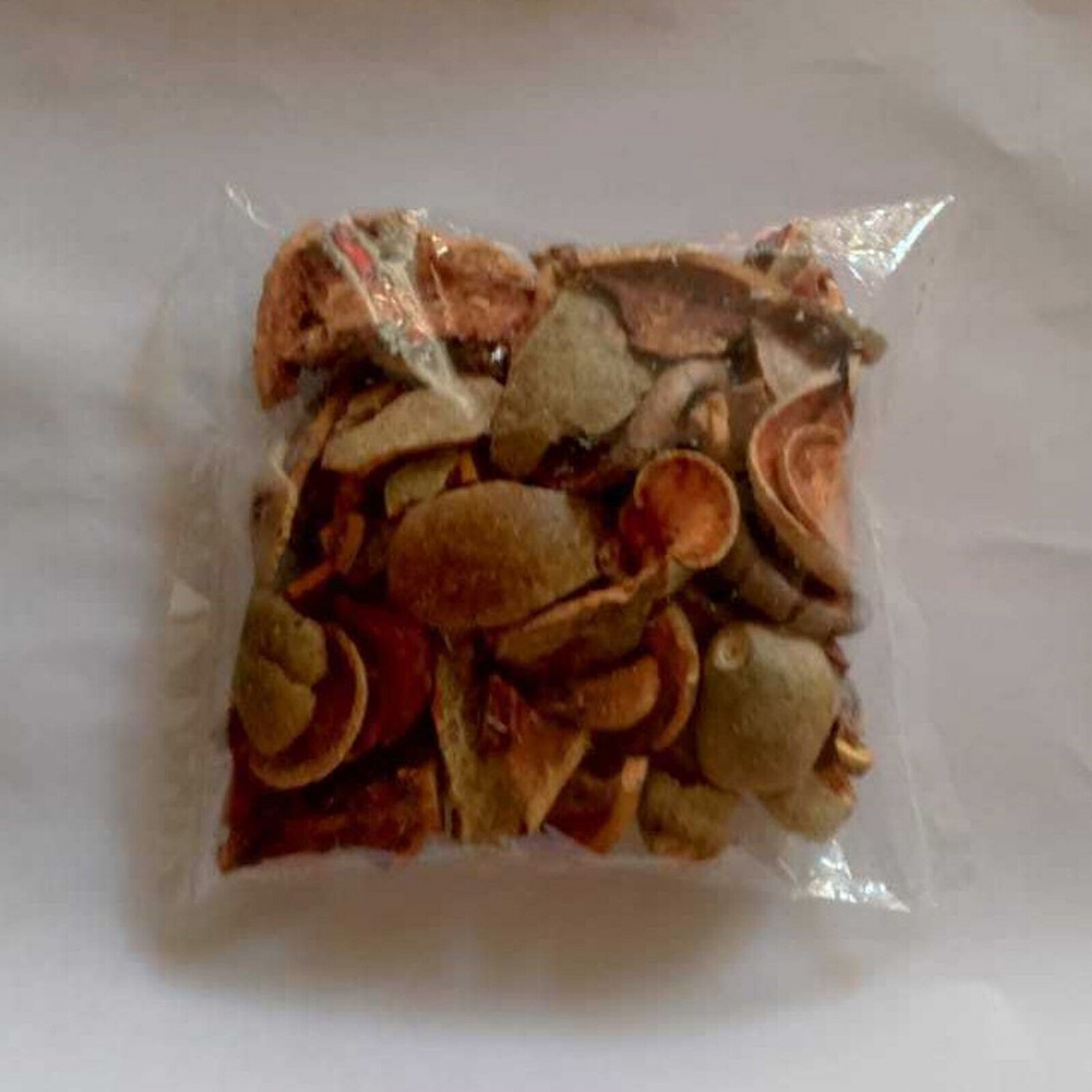


BAEL FRUIT 100g HomeMade Best Quality Safety Package (100g)Item Description Belimal (Aegle marmelos) is a traditional herbal drink used over generations to soothe bowel disorders and rejuvenate the body from within. Ayurvedic studies, consider it as an ideal remedy to improve digestion and treat irritable bowel conditions. In ancient times sun dried Beli flowers were brewed in hot water and consumed on a daily basis to alleviate fatigue. This process has now been made easier by the provision of this miracle formula in a sachet. Hence, regular usage of this caffeine free herbal drink, would refresh the body after a tiring day of work.Propagation The bael fruit is commonly grown from seed in nurseries and transplanted into the field. Seedlings show great variation in form, size, texture of rind, quantity and quality of pulp and number of seeds. Here are some of the major Health Benefits of wood appleBest for diabetes patientsBoosts immunityProvides an instant energyGood for blood purificationAbundance of Vitaminsfor Digestion and ConstipationBael for ScurvyBael for Skin Problems:For Blood Purification Other Uses Fruit: The fruit pulp has detergent action and has been used for washing clothes. Quisumbing says that bael fruit is employed to eliminate scum in vinegar-making. The gum enveloping the seeds is most abundant in wild fruits and especially when they are unripe. It is commonly used as a household glue and is employed as an adhesive by jewelers. Sometimes it is resorted to as a soap-substitute. It is mixed with lime plaster for waterproofing wells and is added to cement when building walls. Artists add it to their watercolors, and it may be applied as a protective coating on paintings. The limonene-rich oil has been distilled from the rind for scenting hair oil. The shell of hard fruits has been fashioned into pill- and snuff boxes, sometimes decorated with gold and silver. The rind of the unripe fruit is employed in tanning and also yields a yellow dye for calico and silk fabrics. Flowers: A cologne is obtained by distillation from the flowers. Wood: The wood is strongly aromatic when freshly cut. It is gray-white, hard, but not durable; has been used for carts and construction, though it is inclined to warp and crack during curing. It is best utilized for carving, small-scale turnery, tool and knife handles, pestles and combs, taking a fine polish. Medicinal Uses: The fresh ripe pulp of the higher quality cultivars, and the "sherbet" made from it, are taken for their mild laxative, tonic and digestive effects. A decoction of the unripe fruit, with fennel and ginger, is prescribed in cases of hemorrhoids. It has been surmised that the psoralen in the pulp increases tolerance of sunlight and aids in the maintaining of normal skin color. It is employed in the treatment of leucoderma. Marmelosin derived from the pulp is given as a laxative and diuretic. In large doses, it lowers the rate of respiration, depresses heart action and causes sleepiness. For medicinal use, the young fruits, while still tender, are commonly sliced horizontally and sun-dried and sold in local markets. They are much exported to Malaya and Europe. Because of the astringency, especially of the wild fruits, the unripe bael is most prized as a means of halting diarrhea and dysentery, which are prevalent in India in the summer months. Bael fruit was resorted to by the Portuguese in the East Indies in the 1500's and by the British colonials in later times. A bitter, light-yellow oil extracted from the seeds is given in 1.5 g doses as a purgative. It contains 15.6% palmitic acid, 8.3% stearic acid, 28.7% linoleic and 7.6% linolenic acid. The seed residue contains 70% protein.


 LK, Western Province
