
$36.00
Add to Cart
Jack Be Little Pumpkin, Cucurbita pepo, 30 Seeds Ready To Ship
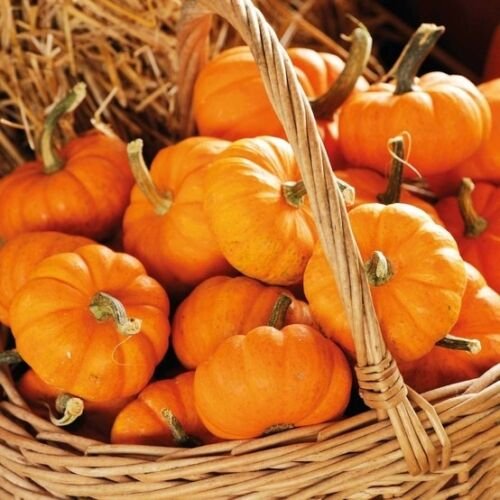
10 available
Details
Shipping: US-Mainland: free (more destinations)
Condition: Brand new
Returns: does not accept (more)
How to grow Great Pumpkins
Culture
Pumpkins need a lot of sun. Choose the sunniest place you have; remember that pumpkins are sensitive and will need shelter from wind and frost. Try to protect pumpkins from the worst of the elements by covering them during cold nights
Pumpkins like and need a lot of water, but don't plant pumpkins in wet or dense soil. They need good, well-drained soil. Prepare the soil in early spring, as soon as the ground is warm. Fertilize the patch with a good four inches of rotting cow manure. Pumpkins do best in soil that is slightly acid or nearly neutral.
If you live in a part of the country where there is still danger of frost in late April or early May, start pumpkin seeds indoors about two weeks before planting.
Planting
When seedlings have the fourth or fifth leaf, set them outdoors in hills about the size of a pitcher s mound, one plant to a hill. Protect pumpkin seedlings the first few weeks with plastic-covered frames. Space each hill at least 20 feet apart.
Maintenance:
Pumpkins need consistent watering, especially once fruit has set. If pollinators are not abundant, you may have to pollinate by hand, by removing the male blossoms and dusting them onto the female blossoms. The female blossoms can be distinguished by the tiny immature fruit at the base of the flower.
Harvest: Pick fruit carefully, leaving a little stem, when the vines begin to dry out and the fruit is fully mature, usually after the first autumn frost.
Sowing Pumpkin Seeds:
For best results, please follow the instructions in the order provided.
Scarify: Soak in water for 2-4 Hours
Germination: Sow 1/2” to 1" Deep, Keep Warm and moist (Not wet).
Sow only after soil temperature has warmed up. About the same time you plant corn.
Earlier indoors and transplant if you have a short growing season.
Be sure to give pumpkins plenty of room on the ground.
Germination:
Seeds Packets are labeled with seed name and sowing details.
Seeds have not been pretreated unless specified in the listing.
Seed is not a specific Cultivar (Variety) unless specified in the listing.
Due to the many factors involved in successful germination, Seller cannot be responsible for buyers growing methods or mistakes.
I have provided what I believe to be a good overview on this page (which you are free to print for further reference), however, it is still recommended to check specialist literature for more details and practices specific to your climate and soil conditions to avoid mistakes in the germination and growing process.
Culture
Pumpkins need a lot of sun. Choose the sunniest place you have; remember that pumpkins are sensitive and will need shelter from wind and frost. Try to protect pumpkins from the worst of the elements by covering them during cold nights
Pumpkins like and need a lot of water, but don't plant pumpkins in wet or dense soil. They need good, well-drained soil. Prepare the soil in early spring, as soon as the ground is warm. Fertilize the patch with a good four inches of rotting cow manure. Pumpkins do best in soil that is slightly acid or nearly neutral.
If you live in a part of the country where there is still danger of frost in late April or early May, start pumpkin seeds indoors about two weeks before planting.
Planting
When seedlings have the fourth or fifth leaf, set them outdoors in hills about the size of a pitcher s mound, one plant to a hill. Protect pumpkin seedlings the first few weeks with plastic-covered frames. Space each hill at least 20 feet apart.
Maintenance:
Pumpkins need consistent watering, especially once fruit has set. If pollinators are not abundant, you may have to pollinate by hand, by removing the male blossoms and dusting them onto the female blossoms. The female blossoms can be distinguished by the tiny immature fruit at the base of the flower.
Harvest: Pick fruit carefully, leaving a little stem, when the vines begin to dry out and the fruit is fully mature, usually after the first autumn frost.
Sowing Pumpkin Seeds:
For best results, please follow the instructions in the order provided.
Scarify: Soak in water for 2-4 Hours
Germination: Sow 1/2” to 1" Deep, Keep Warm and moist (Not wet).
Sow only after soil temperature has warmed up. About the same time you plant corn.
Earlier indoors and transplant if you have a short growing season.
Be sure to give pumpkins plenty of room on the ground.
Germination:
Seeds Packets are labeled with seed name and sowing details.
Seeds have not been pretreated unless specified in the listing.
Seed is not a specific Cultivar (Variety) unless specified in the listing.
Due to the many factors involved in successful germination, Seller cannot be responsible for buyers growing methods or mistakes.
I have provided what I believe to be a good overview on this page (which you are free to print for further reference), however, it is still recommended to check specialist literature for more details and practices specific to your climate and soil conditions to avoid mistakes in the germination and growing process.
You may also be interested in:
-
$19.00
-
$19.23
-
$19.00

-
$19.00
-
$3.50
-
$14.00

-
$11.50
-
$23.13
-
$29.90

-
$21.90


