
$14.80
Add to Cart
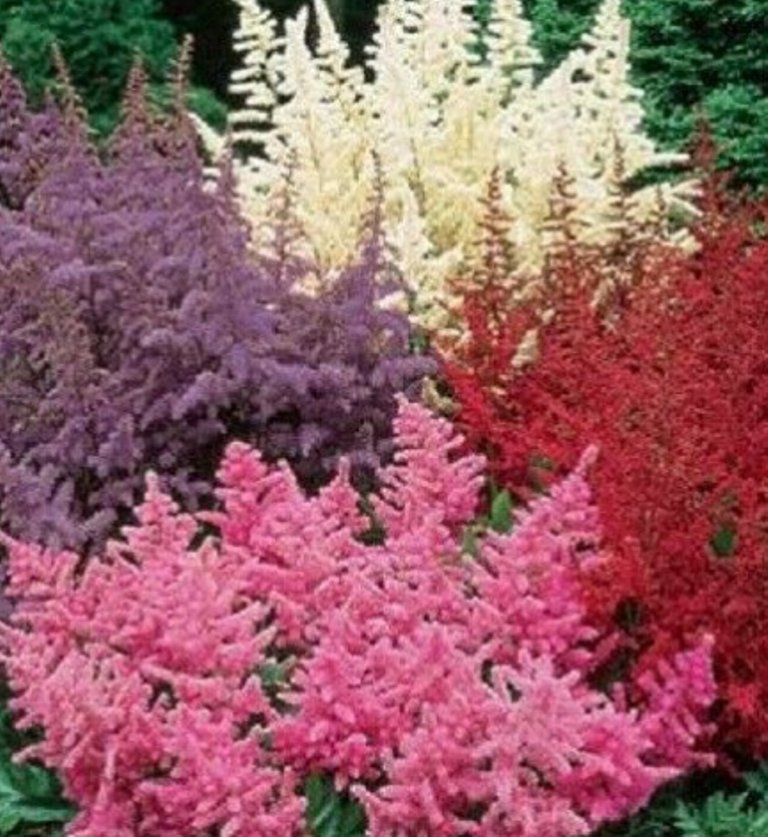
50 Pcs Red White Pink Astilbe Seeds, Astilbe Perennial Flower Seeds
10 available
Details
Shipping: US-Mainland: free (more destinations)
Condition: Brand new
Returns: 10 days, buyer pays return shipping (more)
You purchasing 50 Pcs Red White Pink Astilbe Seeds
Description
Likely the focal point of your shady summer flower bed, astilbe flowers can be recognized by their tall, fluffy plumes that tower above frilly, fern-like foliage in the shade garden. These attractive flowers make great companions for other shade tolerant plants, such as hosta and hellebores, for contrasting foliage and coordinating blooms.
Information about Astilbe
Twenty five species of Astilbe exist, with hundreds of hybrids available. Some are borne on arching stems, while others are erect. Astilbe flowers range in color, from whites to dark purples, though most are pastel. In addition, different varieties bloom at different times and are available in varying heights. Astilbe flowers may be a few inches to a few feet in height, depending on the astilbe plant you choose. If you do your research, you’ll be rewarded with their spiky blossoms (in an array of heights) all summer long. Having and using the right astilbe plant information can mean the difference between a large, fully developed bloom and one that is stunted or displays leaf browning and dieback. Astilbe plants flourish with the right soil, food and location. Let’s learn how to grow astilbes in a way that promotes the most abundant growth.
How to grow Astilbe
Astilbe plants grow in shade, but flowers are more productive in an area where gentle morning or dappled sun can reach them for about an hour or two. Astilbe flowers also need correct soil and moisture to flourish. Astilbes prefer rich, organic type soil. Organic material such as compost enriches the soil and adds drainage. If your shady areas have poor, lean or rocky soil, work in some compost a few weeks before putting your plants in the ground. Amend the soil 8 to 12 inches deep so that the roots of astilbe flowers have plenty of room to develop. Place the astilbe plants into the soil, keeping the crown at the same level as the top of the soil. Water well when planting and keep the soil consistently moist.
Care of Astilbe
While maintenance of the plant is minimal, care for astilbe includes regular, even watering throughout its active growth, especially if planted in areas with more sun. Drying out can lead to leaf scorch, drying leaf margins and can even be the death of the astilbe plant. The right astilbe growing conditions and fertilizer result in large feathery plumes. Occasionally amending the soil with compost or fertilizing with an organic product or fertilizer high in phosphorus is also recommended. Spent plumes can be cut back in spring or left alone for winter interest. They can also be divided about every four years as needed. Proper care for astilbe plants and the right location can result in delicate, long-lasting blooms in the spring and summer garden. There is an astilbe for every shade garden and often one is not enough for the gardener that falls in love with growing and caring for these plants.
--------------------------------------------------------
SHIP FAST DELIVERY FROM UNITED STATES
Customer Satisfaction Is Very Important To Me.
Don't Hesitate To Contact Me Is You Have Any Problem With Your Order, We Can Work Together
If You Are Happy With Your Purchase, Please Leave Me Positive Feedback. Your Feedback Is Very Important To Me. I Will Leave You A Positive Feedback As Soon As I Receive Your Feedback
Please always contact us if you have any problem, no worries, we will happy to assist you.
Your satisfaction is our GOAL.
Thank you for your time, Enjoy SHOPPING
Description
Likely the focal point of your shady summer flower bed, astilbe flowers can be recognized by their tall, fluffy plumes that tower above frilly, fern-like foliage in the shade garden. These attractive flowers make great companions for other shade tolerant plants, such as hosta and hellebores, for contrasting foliage and coordinating blooms.
Information about Astilbe
Twenty five species of Astilbe exist, with hundreds of hybrids available. Some are borne on arching stems, while others are erect. Astilbe flowers range in color, from whites to dark purples, though most are pastel. In addition, different varieties bloom at different times and are available in varying heights. Astilbe flowers may be a few inches to a few feet in height, depending on the astilbe plant you choose. If you do your research, you’ll be rewarded with their spiky blossoms (in an array of heights) all summer long. Having and using the right astilbe plant information can mean the difference between a large, fully developed bloom and one that is stunted or displays leaf browning and dieback. Astilbe plants flourish with the right soil, food and location. Let’s learn how to grow astilbes in a way that promotes the most abundant growth.
How to grow Astilbe
Astilbe plants grow in shade, but flowers are more productive in an area where gentle morning or dappled sun can reach them for about an hour or two. Astilbe flowers also need correct soil and moisture to flourish. Astilbes prefer rich, organic type soil. Organic material such as compost enriches the soil and adds drainage. If your shady areas have poor, lean or rocky soil, work in some compost a few weeks before putting your plants in the ground. Amend the soil 8 to 12 inches deep so that the roots of astilbe flowers have plenty of room to develop. Place the astilbe plants into the soil, keeping the crown at the same level as the top of the soil. Water well when planting and keep the soil consistently moist.
Care of Astilbe
While maintenance of the plant is minimal, care for astilbe includes regular, even watering throughout its active growth, especially if planted in areas with more sun. Drying out can lead to leaf scorch, drying leaf margins and can even be the death of the astilbe plant. The right astilbe growing conditions and fertilizer result in large feathery plumes. Occasionally amending the soil with compost or fertilizing with an organic product or fertilizer high in phosphorus is also recommended. Spent plumes can be cut back in spring or left alone for winter interest. They can also be divided about every four years as needed. Proper care for astilbe plants and the right location can result in delicate, long-lasting blooms in the spring and summer garden. There is an astilbe for every shade garden and often one is not enough for the gardener that falls in love with growing and caring for these plants.
--------------------------------------------------------
SHIP FAST DELIVERY FROM UNITED STATES
Customer Satisfaction Is Very Important To Me.
Don't Hesitate To Contact Me Is You Have Any Problem With Your Order, We Can Work Together
If You Are Happy With Your Purchase, Please Leave Me Positive Feedback. Your Feedback Is Very Important To Me. I Will Leave You A Positive Feedback As Soon As I Receive Your Feedback
Please always contact us if you have any problem, no worries, we will happy to assist you.
Your satisfaction is our GOAL.
Thank you for your time, Enjoy SHOPPING
You may also be interested in:
-
$279.95

-
$3.00

-
$5.95

-
$29.95
-
$49.98
-
$3.00

-
$15.29

-
$4.85
-
$4.89

-
$3.00


